The work that I'm presenting soon mid September now during the presentation / kT exhibition will be still quite work-in-progress-y. Which is to be expected for me with such a short production time, but it's also nice to try out some things already.
The past days I was trying to get OCR for hand-written texts working with tesseract being fed pre-processed images that I capture through a generic USB video camera in Processing. This works out well for printed texts ( serif + sans-serif fonts ). But veeery unreliable for hand-writing. Which makes a lot of sense, since it's not trained on that kind of data. So, for now there are multiple obstacles to get my initial idea working: hardware/software incompabilities ( Processing video on RPI 4 + Tesseract ), or getting another OCR/HTR machine learning thing going, and also thinking about the input/output all happening inside of a book.
References that will hopefully be helpful for me in the future:
Yesterday I met with PhD student Jonas and he showed me the flow cytometry (Durchflusszytometrie) device to measure the size of cells / particles / polyplexes and their respective auto-flourescent reflectance.
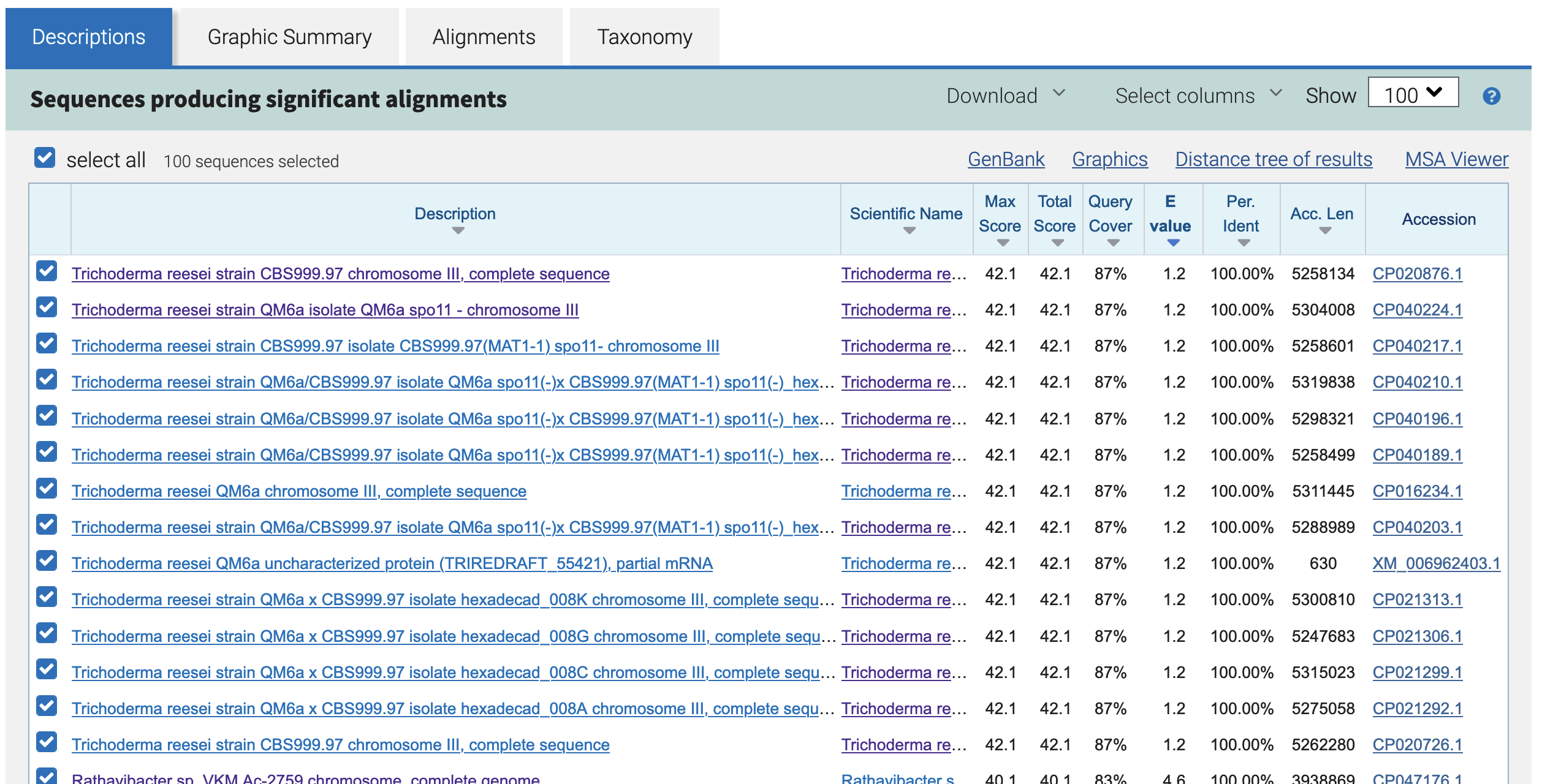
Today I tested positive for corona... So, while I'll be stuck home and performing my own biological processes, I will read up on some texts and try to get the custom interface for the BLAST search thingy going.
In general, at the moment I am thinking about how texts and living systems relate to each other. Anja mentioned she thinks DNA is the language of nature. Laura Leppert researches the metaphor of the genomes as "books of life" in the video essay *Code or Chrysalis* and talks about how the cold war encryption hype/obsession and early language automation has "fueled the long-standing imaginary of DNA as ‚universal authorless text‘, that can be read, decrypted, edited, copied and cut." (thanks for the nice reference Eugénie)
In mRNA the "message" is a living thing. I think it is questionable to what degree the medium *is* the message here as well, as the the medium would maybe in this case refer rather to Umwelt or the host organism... But I found some semiotics text called "A sign is not alive - a text is" by Kalevi Kull in 2002. Usually I am not very interested in semiotics, but this one is quite good. Maybe because it's interdisciplinary. Biosemiotics tries to understand beings as living "texts":
Due to the complex inner structure of organism, consisting in a large number of cells and many tissues, all being in a communicative relationship, there can be the perception–operation cycles that are entirely embedded in the body. This means, inside the body a sequence of perception–operation–perception–operation may include several sequential systems of communication. Accordingly, several levels of categories and categorisation can be developed between the perceptual and the effectual ones. Which means the development of internal texts, the models.
> Nachtrag: Also, I remember the bible involving something like the book of life, in which the good, obedient, "pure", faithful, blabla people are listed ( which iirc is something like their entry ticket into heaven aka eternal life - hey! that's again like plastics :D )
>> Nachtrag: "If the DNA code is a set of instructions that's carefully organised into paragraphs (genes) and chapters (chromosomes), then the entire manual from start to finish would be the genome."
Sandra is showing me around the same two labs that Anja showed me. We look at the cancer cells again, they were growing like crazy over the weekend.
Later I talk with Anja about my idea to re-enact Alvin Lucier's *I'm sitting in a Room* with DNA sequencing. She likes the idea, but doesn't know how to realize it on a budget. Then she has an idea to use primers and shows me some primer design tools:
Anja has invited me to her research facilities at the Friedrich-Schiller-Universität Jena. She is the leader of the *Nano Träger* (nano carrier) group at the Jena Center for Soft Matter (JCSM). Their fields of research are:
Synthesis of polymer-based nanocarriers for gene delivery
Structure-Property-Relationship of nanocarriers to evaluate stability, toxicity as well as efficiency
Balancing active and passive targeting strategies for drug and gene delivery
Transport of different genetic materials (siRNA, mRNA, DNA) for various applications, including therapy and biotechnology
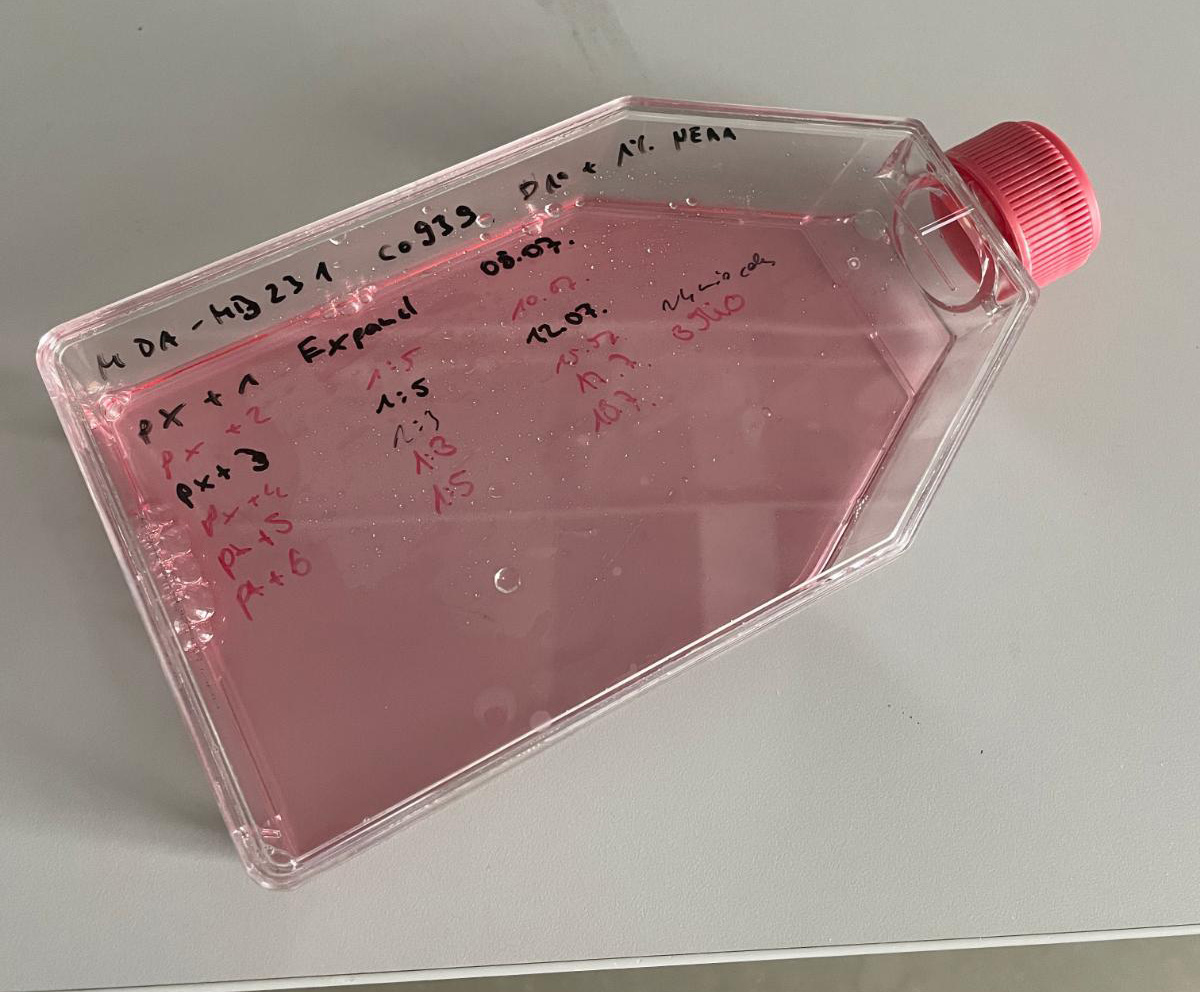
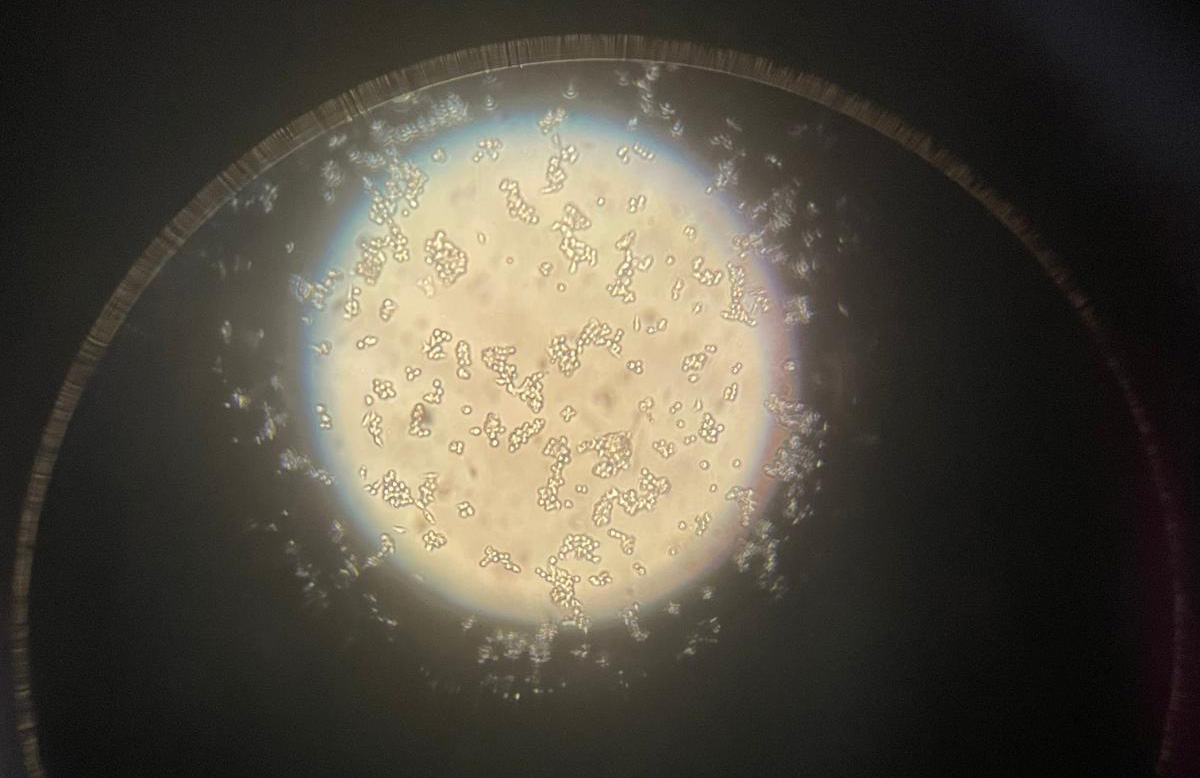
She was showing me around. She showed me digestive tract + breast cancer cells under the microscope. (I have a hard time following and understanding things, despite her ELI5-ing every super well for me. I think it has to do with my resistance towards anything bio-related, which I don't know where it is coming from. Only that it has to do with me having found a more or less stable position, where I view living beings and I guess generally the world through a messy mix of mechanistic and vitalistic lenses. Anything bio is more vitalistic, whereas my previous hardware/software projects are usually seen as heavily mechanistic. For me it's easier to criticize the mechanistic world view onto technologies, than it is to try to develop an understanding of the mechanisms in living beings - or more generally organic matters in this case. There is some development happening inside of me that extends what maybe Yuk Hui would call *beyond mechanism and vitalism*. Beyond-the-beyond, both forward and backward.) Anyway, they are cultivated in a red nutrient medium solution. They are immortilized, so they don't have to worry about the cancer cells dying. The breast cancer we are looking at are triple negative breast cancer cells, which means they are the most dangerous type. Anja mentions, if you get this type of cancer, you'll likely die in three months. Not sure if the photo I took is the breast cancer or digestive tract cancer.
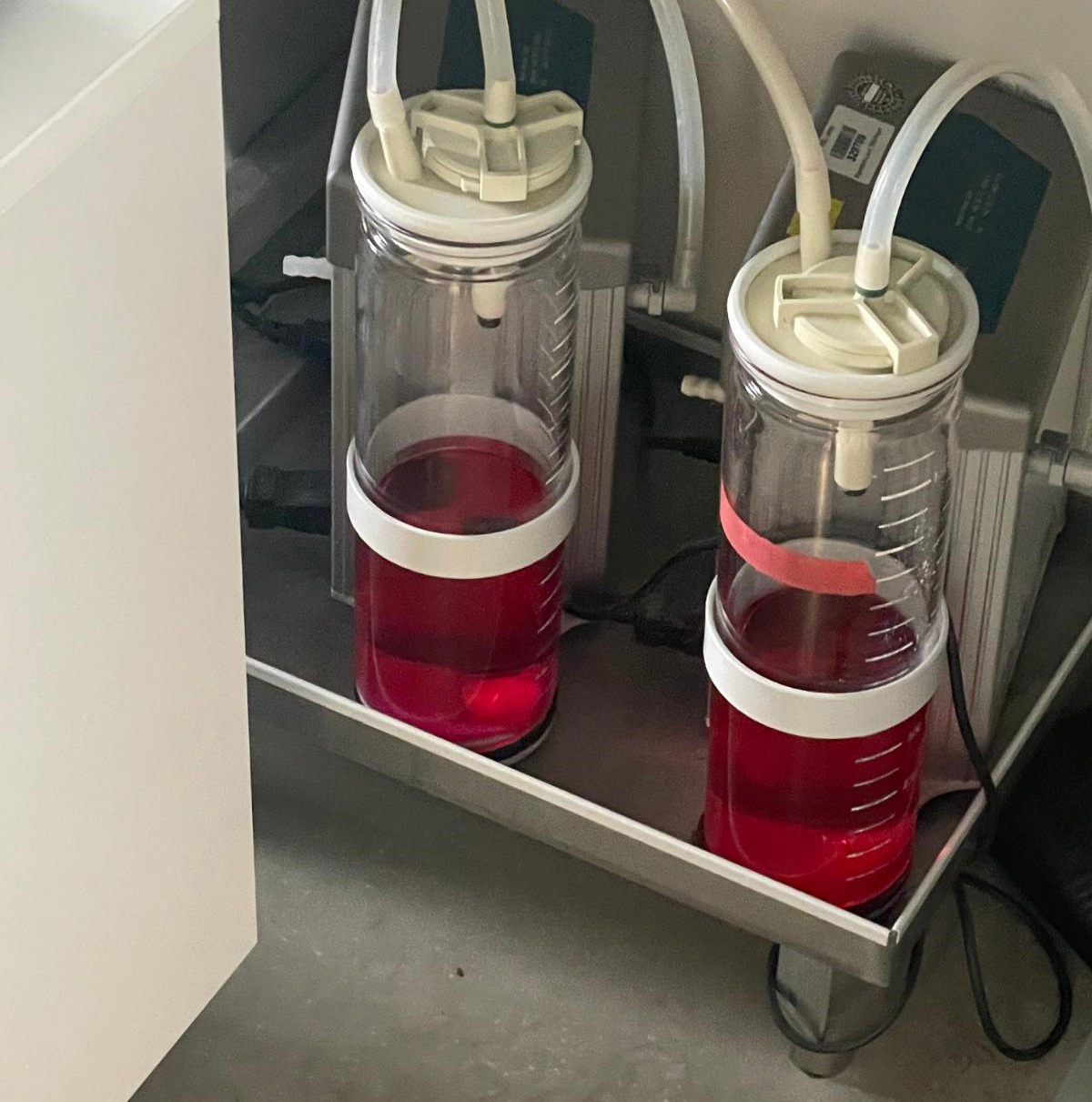
Since the cancer cells are immortilized they will keep splitting and overall growing, as long as the lab keeps nurturing them. Once or twice per week, the technicians will take out the cells and re-position half or so of the cells in a new flat bottle. Otherwise they would overgrow and then die after all of a lack of space and nutrients. The discarded cells end up in this liquid bio trash bin:
Also, she performed a polymer synthesis for me. Red shelves with many chemical liquid containers. The air smells not particular like anything. My eyes hurt from the dry air. Solving EPO in Acetone and then slowy "controllably" syringing it into some other liquid, which I think was just water, but I'm not sure. The polymer spreads into the water and I can't help it but to be reminded of sperm in water and it makes me think of the vitalism of -plastics- ehh no, polymers again.
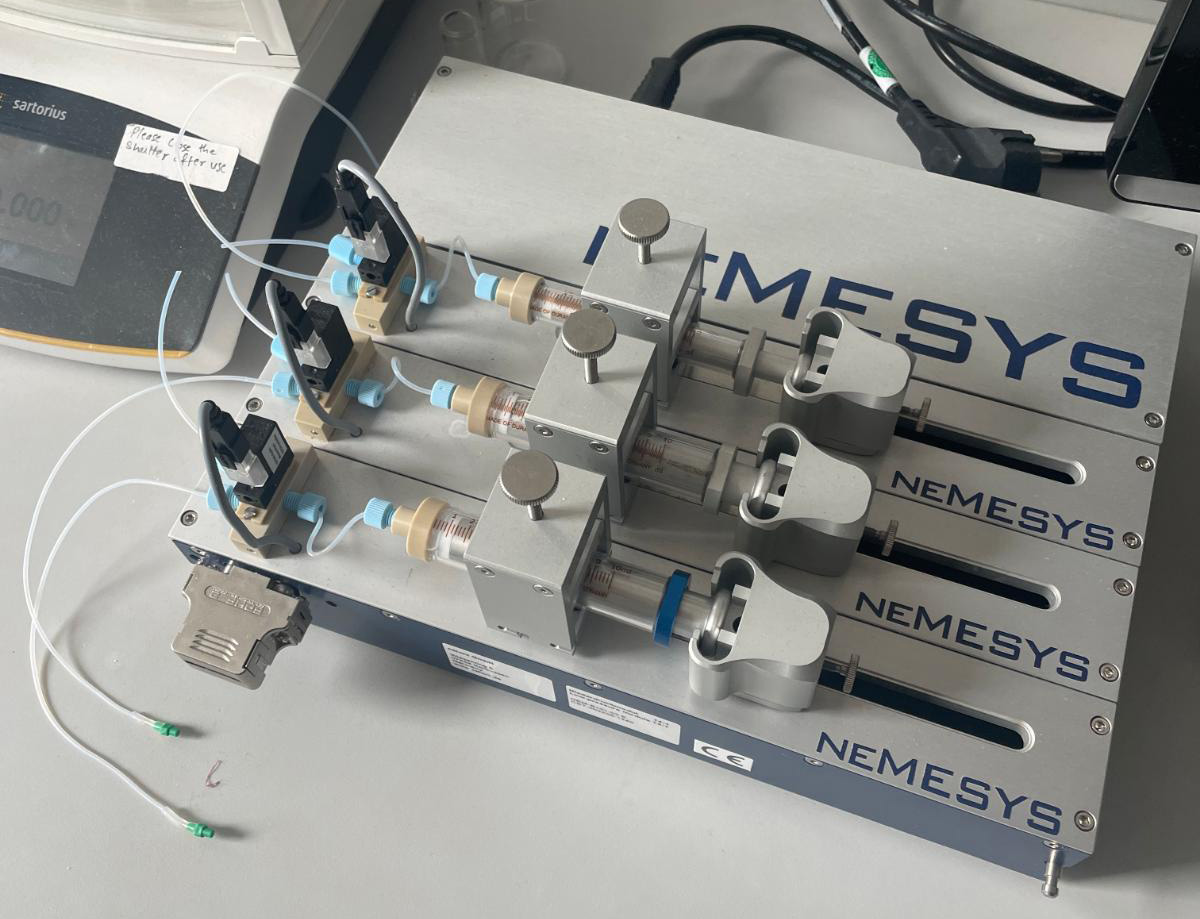
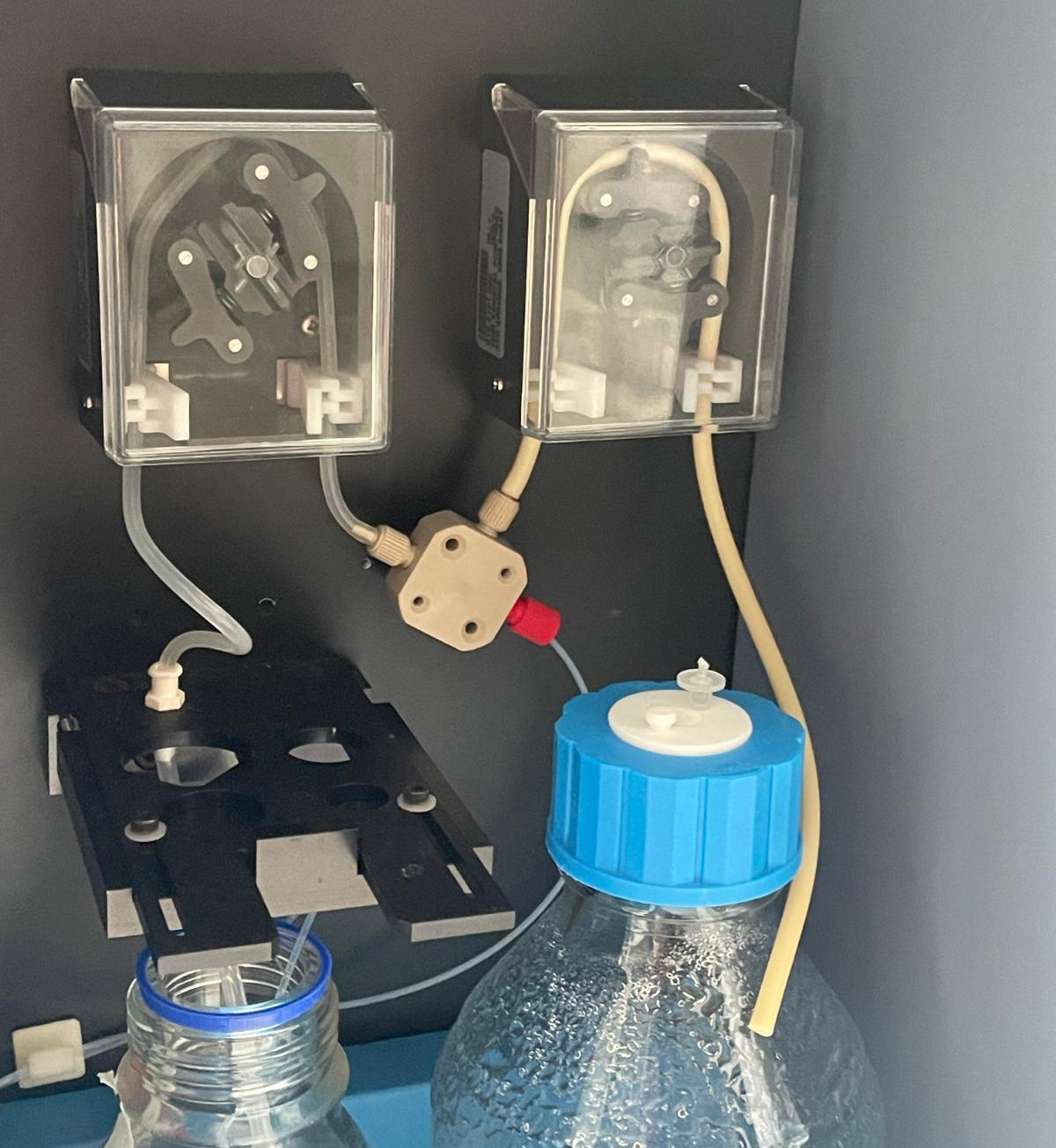
These are just two nice machines: a motorized syringe two control flow rates of adding liquids into each other. And the other is a peristaltic pump from their bio lab.
Current Ideas:
> *i'm sitting a room* re-enactment with DNA sequencing ( the work of art in the age of its asexual reproduction )
> poem LIKE being (borrowing things from my sleep like mountains work)
a programmed interface to the NCBI database that holds many DNA sequences and genomes. a selection of poems is encoded as A/G/T/C RNA-bases and then looked after in the DCBI database via the BLAST search (custom API tool via Processing or JS to rediscover poems in organisms and vice versa)
- How to teach a material to *care* about something? - Drawing together strands of research from pedagogy and material sciences?
- How to make a smart material?
( Plastic pollution / micro- and nanoplastics in bodies of water have been extensively framed as a problem, resulting out of mass-consumerism, where it is in fact mostly a problem which has its ==root in the industry== that uses those plastics despite available alternatives. )
=> An industrial setup to *teach* / *in-form* the polymer about * wave movements? => More interested in becoming habitat ( embedded + embodied ) for others
How can we develop a plastics consciousness?
Plasticity of (how we understand) consciousness Conscious about plastic waste Speculating about embedding cognitive + affective processes in the material => needs a body
“So, more than a substance, plastic is the very idea of its infinite transformation; […] And it is this, in fact, which makes it a miraculous substance: a miracle is always a sudden transformation of nature. Plastic remains impregnated throughout with this wonder: it is less a thing than the trace of a movement.” ( Barthes, Roland: Mythologies, Paris 1957, S. 97 )
“Plastic became synonymous with ephemerality, seeming to offer a substance without ontology precisely because of this manufactured disposability.” ( Davis, Heather: Plastic Geology. In Mackert, Gabriele / Petritsch, Paul: Humans Make Nature. Landscapes of the Anthropocene. Universität für angewandte Kunst Wien 2016. S. 220-231 )
How can the bodies of - infinite transformation - sudden transformation of nature - less a thing than the trace of a movement - ephemerality - substance without ontology look like?
=> needs a more specific ... something
> **Speculative plastisphere life**
- Speculative species that draws together research from Karl Sims ( genetic simulation *Evolved Virtual Creatures* ) and Pinar Yoldas ( *Ecosystem of Excess* / *Hollow Ocean* )
"Pinar Yoldas explores, in her artistic practice, how marine debris is transforming the world’s oceans into a *future post-human ecosystem* with the goal of driving activism forward in search of environmental justice. She provides us with compelling visual narratives of highly *speculative species, which will be able to adapt to the toxicological effects of plastics.*" (Plastic Ocean, 12)